
ASPIRE Invites you to Participate in the Call for “Value Chains Research Proposals”
Date:
September 18, 2024
Date:
September 18, 2024
By: Janine Sazinsky
The ASPIRE project invites professors and researchers to participate in our third call for research projects. We welcome your applications and appreciate your support in sharing this information with those who may also be interested.
ASPIRE will fund up to four research projects for up to $15,000 per project, lasting nine months.
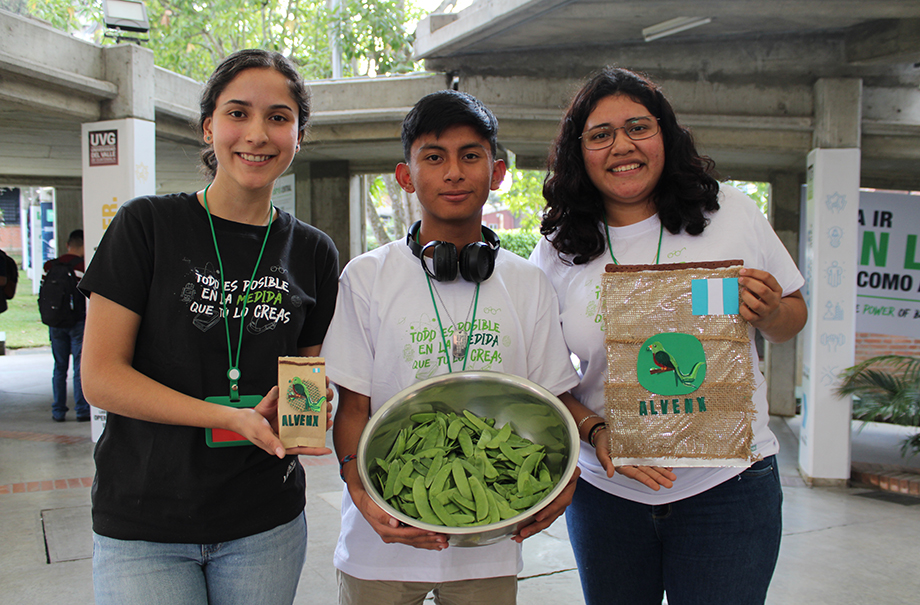
The projects must promote the integration of students and inclusive innovation in different development areas, including, but not limited to, honey, snow peas, essential oils, cocoa, macadamia, and crafts. The four areas identified for fostering opportunities for innovation include:
1. Innovation in developing and marketing products of great cultural value.
2. Development of innovative food products for the snow pea, honey, and/or cocoa value chains.
3. Innovation to improve the sowing, harvesting, transportation, and/or post-harvest processes in cocoa, snow pea, and/or essential oil agro-chains
4. Innovation in developing curriculum and/or teaching materials to expand capacities in topics that help improve families’ productivity and living conditions.
The proposal deadline is November 18 at 10:00 pm. Send completed applications to the grants coordinator, Eileen Meda at enmeda@uvg.edu.gt, and a copy to Ana Lucía Solano at alsolano@uvg.edu. gt.
More information, including selection criteria, is available in this document.
ASPIRE will host two virtual information sessions about this call via Zoom on Wednesday, September 25 from 9:00 am to 10:00 am (linked here), and Friday, October 4, from 2:00 pm to 3:00 pm (linked here).
The Achieving Sustainable Partnerships for Innovation, Research and Entrepreneurship (ASPIRE) Project is a five-year, $15 million project funded by USAID and implemented by the Massachusetts Institute of Technology (MIT), Universidad del Valle de Guatemala (UVG), and the Guatemalan Exporters Association (AGEXPORT), with the goal of creating a world-class replicable model for how universities, in collaboration with the private sector, government, and local communities, can respond to local and regional development needs. The project implements a collaborative approach, based on MIT’s experience in the innovation ecosystem.