
ASPIRE’s Toolkit is Ready to Support Guatemalan Avocado Industry’s Entry into U.S. Markets
Date:
November 28, 2024
Date:
November 28, 2024
By: Janine Sazinsky
The ASPIRE Project celebrates the landmark achievement of Guatemalan avocados gaining entry into U.S. markets (read more in AGEXPORT Hoy). By providing practical tools and innovative training, and fostering collaboration across sectors via a recently developed teaching toolkit for avocado producers, ASPIRE supports the industry’s journey to meet export standards and seize this transformative opportunity. The Guatemalan Exporters Association (AGEXPORT) estimates that approximately 3,000 tons of avocados will be exported to the U.S. in the coming year, and by 2030, up to 15,000 tons.
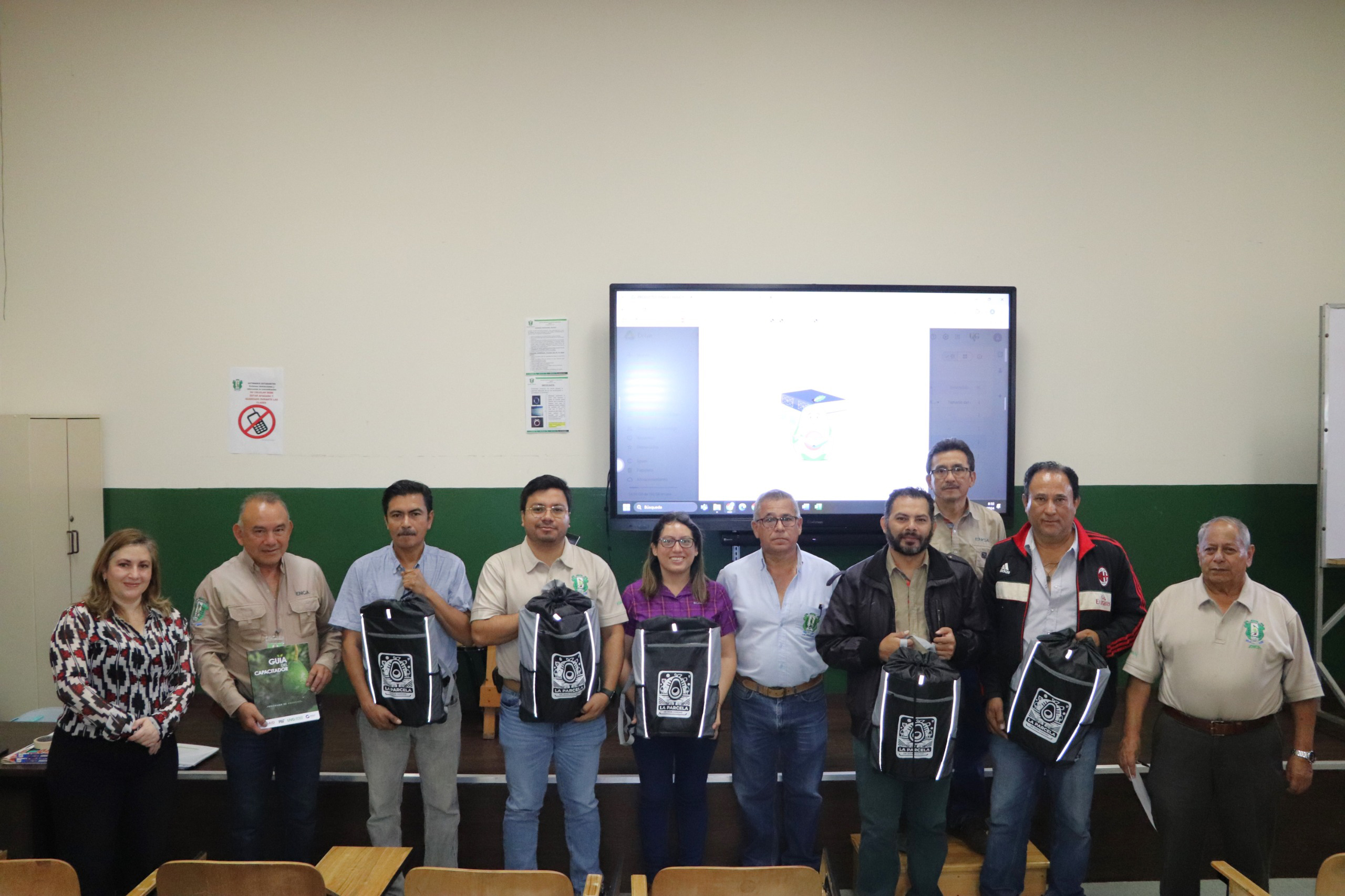
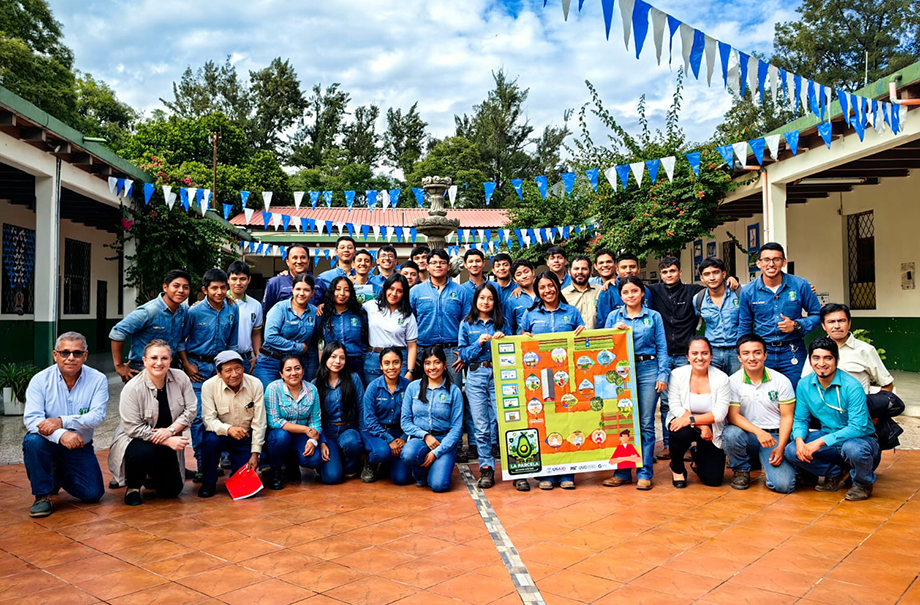
Ana Alicia Paz (ASPIRE UVG faculty researcher, Avocado Project) and Jorge Escobar, (ENCA Deputy Director) with teachers in the Escuela Nacional Central de Agricultura, holding the completed toolkit that they will integrate into their courses to enhance agricultural education. Image: ASPIRE project
Strengthening Market Readiness Through Training and Research
In collaboration with the Massachusetts Institute of Technology (MIT), the Universidad del Valle de Guatemala (UVG), and the Guatemalan Exporters Association (AGEXPORT), one of ASPIRE’s research endeavors complements this new opportunity by equipping avocado producers with the practical skills and resources needed to succeed in export markets. Recognizing the high potential of the avocado value chain to create jobs and boost rural incomes, ASPIRE’s work has focused on improving post-harvest handling and agricultural techniques through community-based research and training.
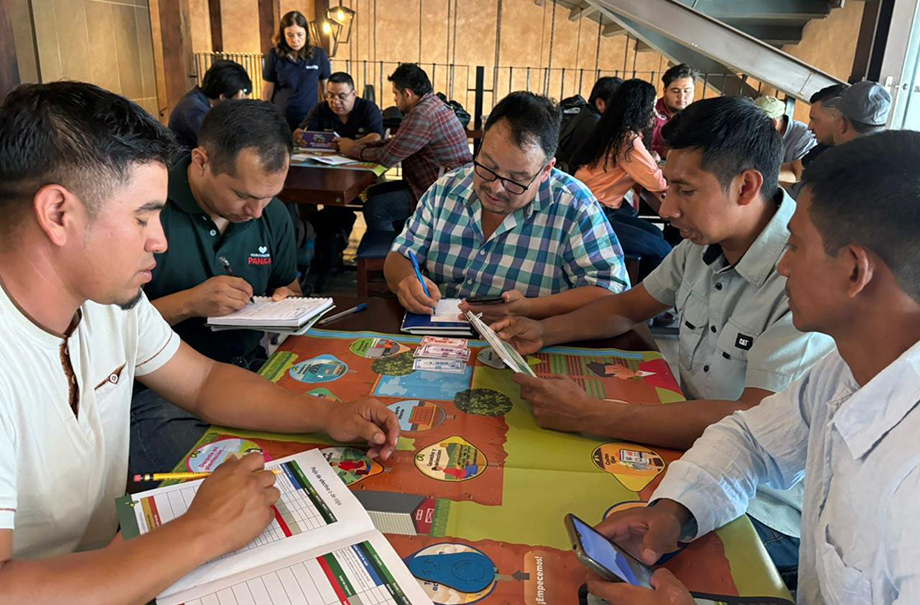
To address the challenges faced by rural producers, this multi-sectoral team developed an innovative toolkit—highlighted in a recent feature on the project’s website—which includes instructional videos, infographics, and an educational board game tailored for hands-on learning. Adopted by institutions such as Guatemala’s National Central Agricultural School (ENCA) and UVG’s Altiplano campus, the toolkit provides accessible resources that enable farmers to enhance post-harvest processes and meet export requirements.
Ana Alicia Paz (ASPIRE UVG faculty researcher, Avocado Project) and Jorge Escobar, (ENCA Deputy Director) with teachers in the Escuela Nacional Central de Agricultura, holding the completed toolkit that they will integrate into their courses to enhance agricultural education. Image: ASPIRE project
Collaboration to Support the Avocado Value Chain
ASPIRE’s success reflects the strength of its cross-sector collaborations. UVG students, researchers, and faculty played a pivotal role in conducting research to inform the project’s strategies, while AGEXPORT brought together producers, and experts in agricultural production and packaging to ensure practical solutions were developed and shared. Partnerships with the Ministry of Agriculture and other stakeholders have further strengthened the toolkit’s relevance and adaptability, underscoring the value of uniting academia, government, and industry.
Ana Alicia Paz (ASPIRE UVG faculty researcher, Avocado Project) and Jorge Escobar, (ENCA Deputy Director) with teachers in the Escuela Nacional Central de Agricultura, holding the completed toolkit that they will integrate into their courses to enhance agricultural education. Image: ASPIRE project
Building a Lasting Foundation for Growth
The ASPIRE toolkit goes beyond addressing immediate needs by equipping producers and students with practical education in the sector. By closing critical knowledge gaps in an accessible way, it helps drive long-term success for the farming community. This achievement positions the project as a model for fostering resilience and innovation in agricultural industries. By delivering this effective tool and scalable solution, ASPIRE is laying the groundwork for sustained growth and shared prosperity for people in their own communities, relieving them of the pressure to migrate outside Guatemala and fostering stability within the region.
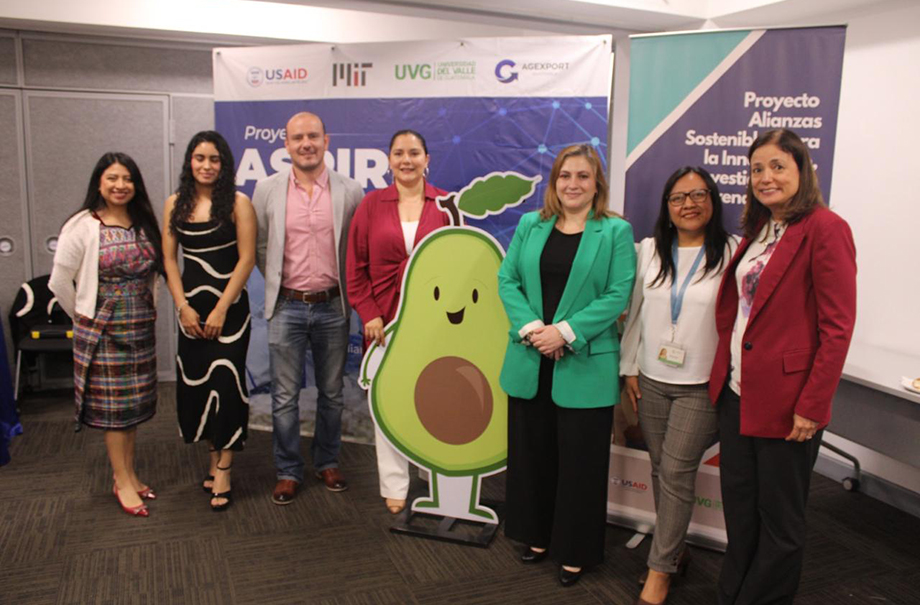
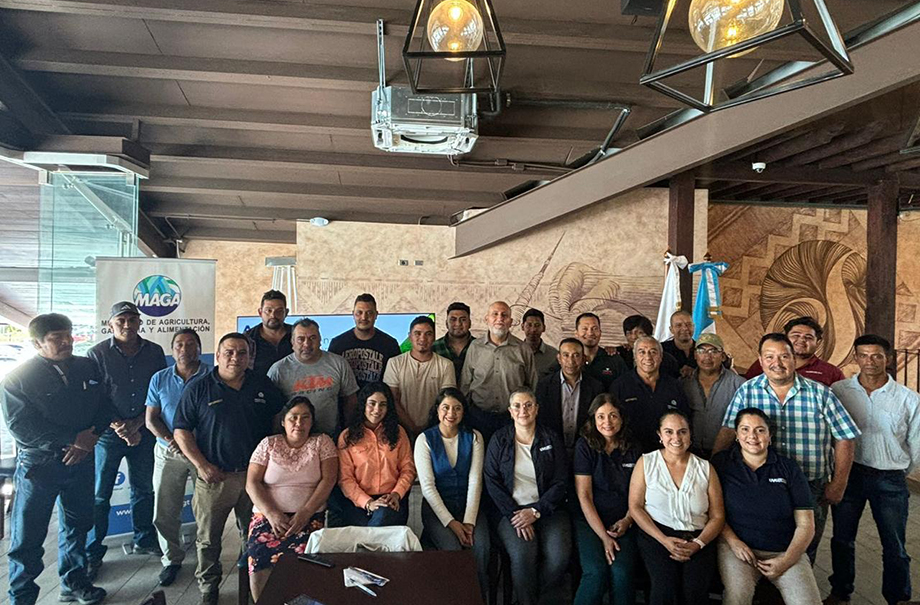
Representatives from DIFOPROCO-MAGA, AGEXPORT, and ASPIRE during the project’s closing event hosted by AGEXPORT in October 2024. From left to right: Dayana Bal, María José Morales, Gerardo Rosado, Adilia Blandón, Ana Alicia Paz, Marta Castañón (Coordinator of the AGEXPORT Fruit Commission) and Ana Silvia Colmenares. Image: ASPIRE project.
About the ASPIRE project
The Achieving Sustainable Partnerships for Innovation, Research and Entrepreneurship (ASPIRE) Project is a five-year, $15 million project funded by USAID and implemented by the Massachusetts Institute of Technology (MIT), Universidad del Valle de Guatemala (UVG), and the Guatemalan Exporters Association (AGEXPORT), with the goal of creating a world-class replicable model for how universities, in collaboration with the private sector, government, and local communities, can respond to local and regional development needs. The project implements a collaborative approach, based on MIT’s experience in the innovation ecosystem.