
ASPIRE prepares UVG researchers to advance in the development of research proposals
Date:
January 2, 2023
Date:
January 2, 2023
By: Alison Young
As part of the first phase of the co-creation process, UVG researchers and professors were selected in a call for concept notes for research projects in the cardamom and snow pea sectors. These individuals were invited to participate in two working sessions that support the development of strong research proposals.
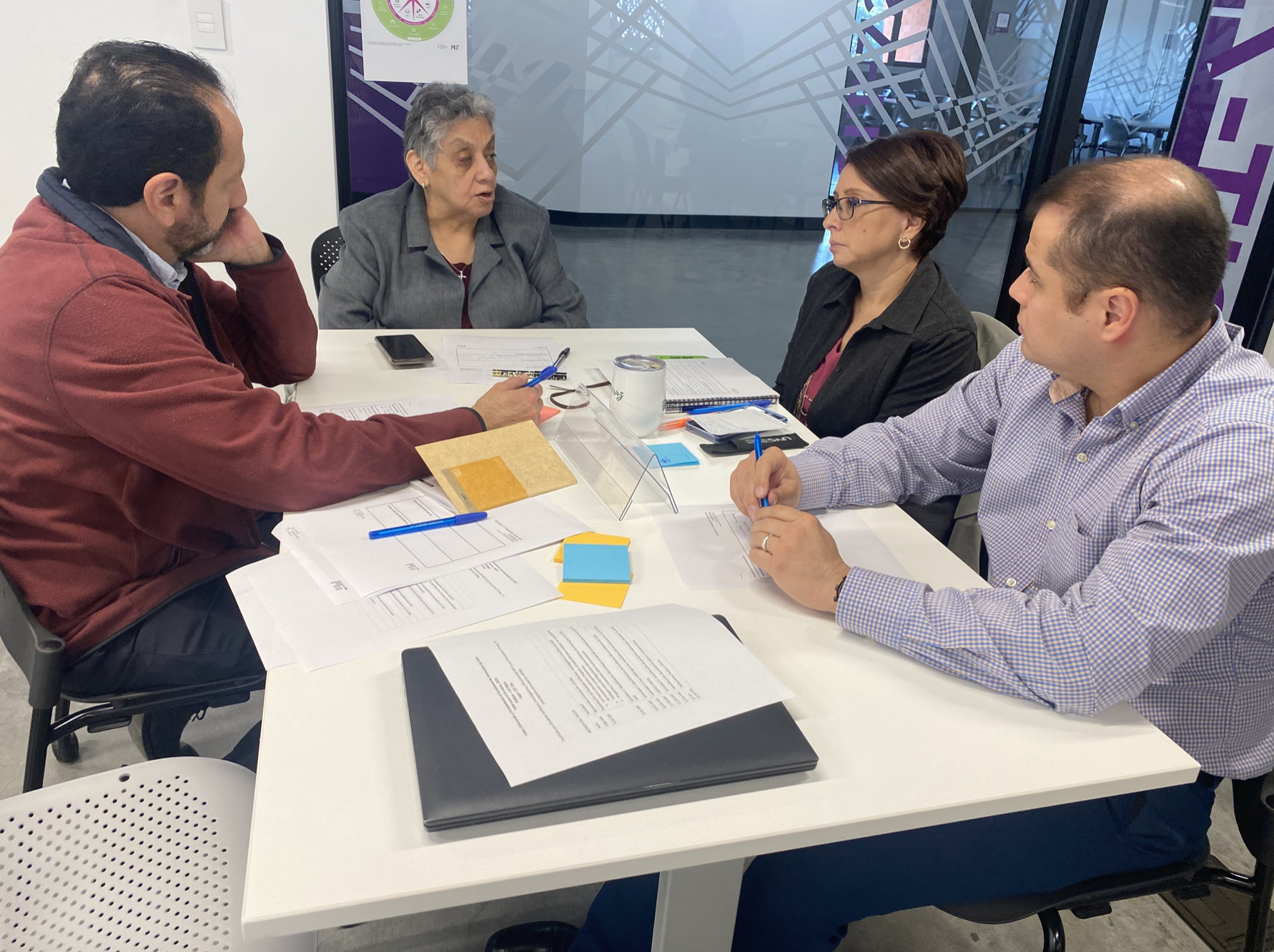
During the first meeting, held on November 10th, the participants received the instructions on the co-creation process and presented the 4 winning concept notes (2 for cardamom and 2 for snow peas). In the second session, held on November 14, multidisciplinary research teams were integrated to encourage the inclusion of unique perspectives that were not present during the first round or development. The main roles of team members in these gatherings were defined within the teams. Ana Lucía Solano, Research Coordinator for ASPIRE, detailed the prerequisites that needed to be followed in order to progress to the next phase of this development process and competition.
The goals for the second phase of this process include reinforcing the collaborative mindset, knowing the requirements of ASPIRE and USAID for the elaboration of the proposal, and identifying key actors in the value chain that should be integrated into the team. Following these steps, the multidisciplinary teams will become a multi-sectoral research team, able to prepare and execute the project jointly, and with a well rounded set of diverse perspectives driving the work.
Once key actors (counterparts) have been integrated fully into the research project teams, the resulting multi-sectoral team will finish constructing a strong proposal to submit for evaluation by ASPIRE and USAID.
About the ASPIRE Project
The Achieving Sustainable Partnerships for Innovation, Research and Entrepreneurship (ASPIRE) Project is a five-year, $15 million project funded by USAID and implemented by the Massachusetts Institute of Technology (MIT), Universidad del Valle de Guatemala (UVG) and the Guatemalan Exporters Association (AGEXPORT). The goal of the project is to create a world-class, replicable model for how Latin American universities and their collaborators can respond to local and regional development needs. The project implements a collaborative approach to research, teaching, innovation, entrepreneurship and tech transfer, based on the combination of local assets and knowledge with MIT’s experience in the innovation ecosystem.