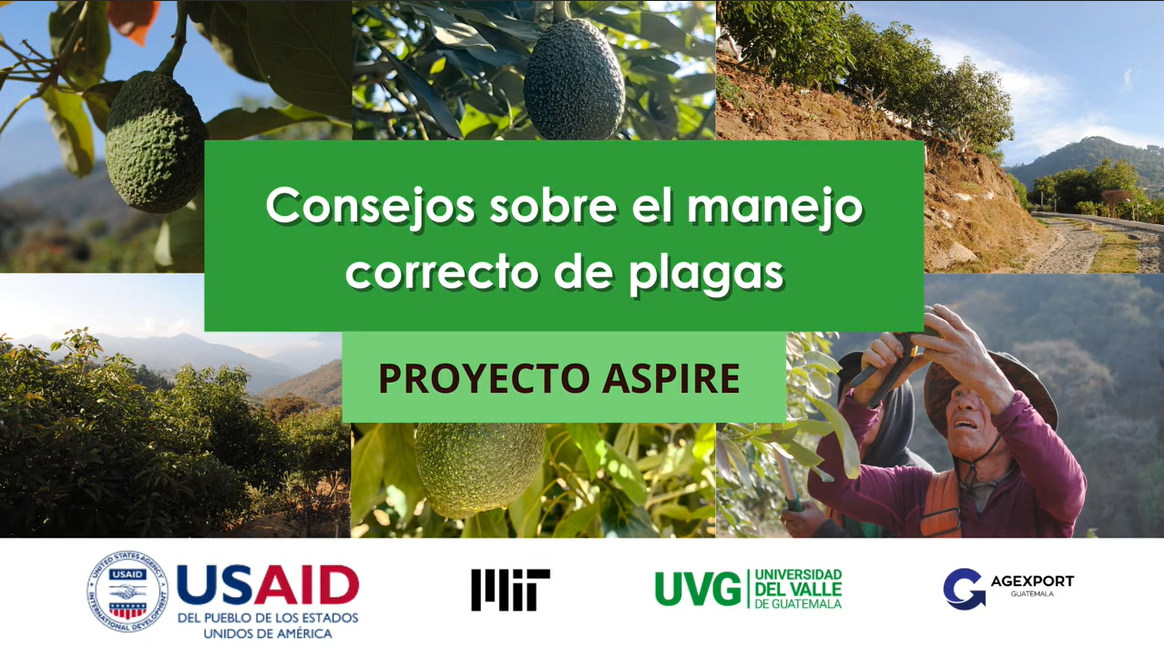
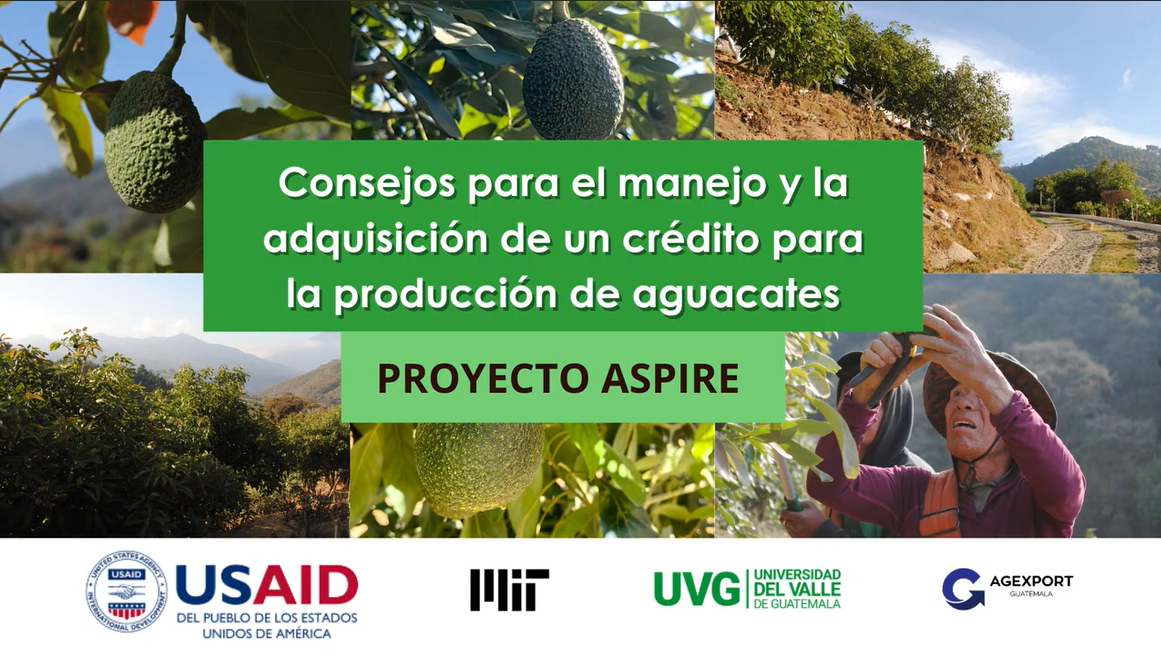
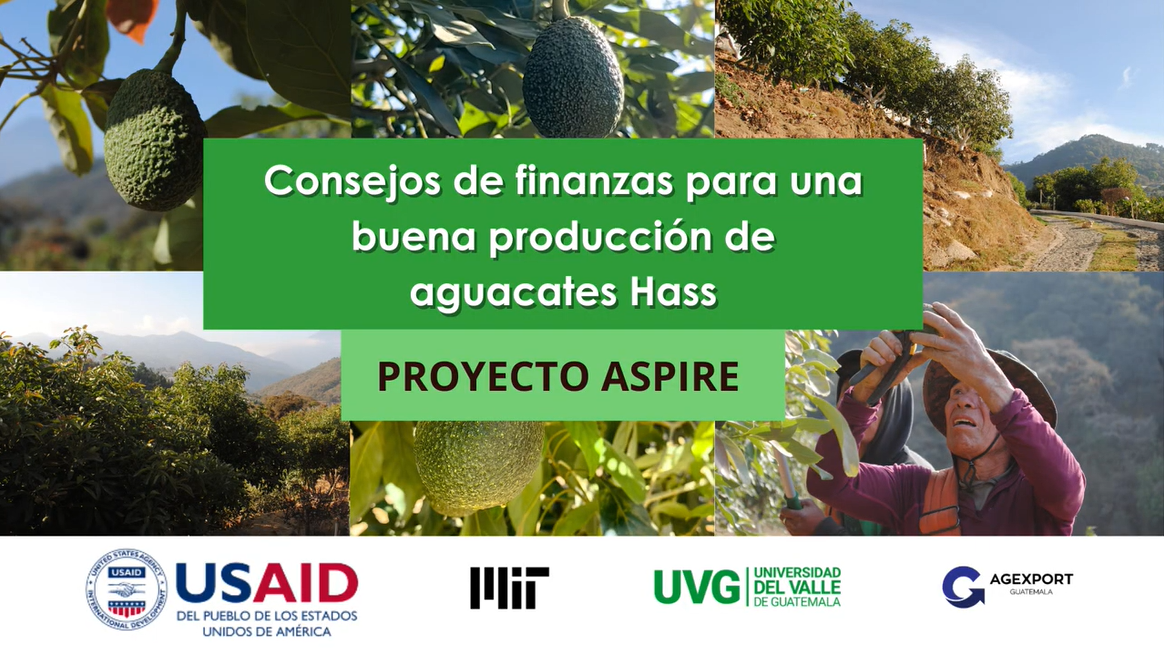
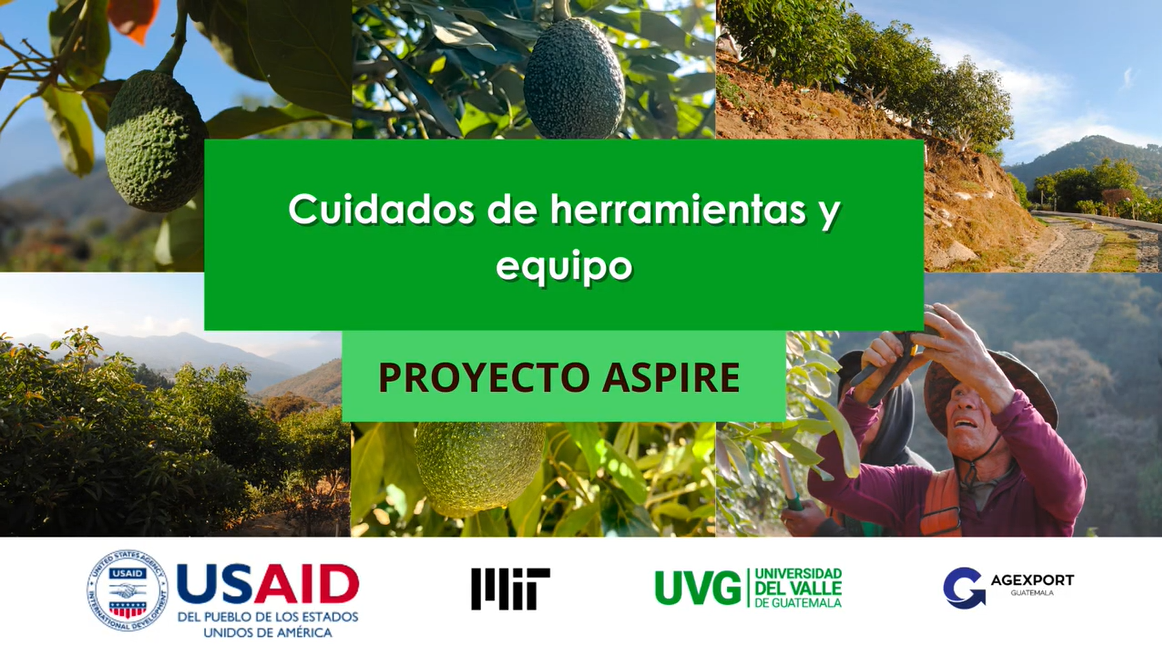
Descubre nuestros videos
Haz clic en cualquiera para verlo en detalle o descargarlo
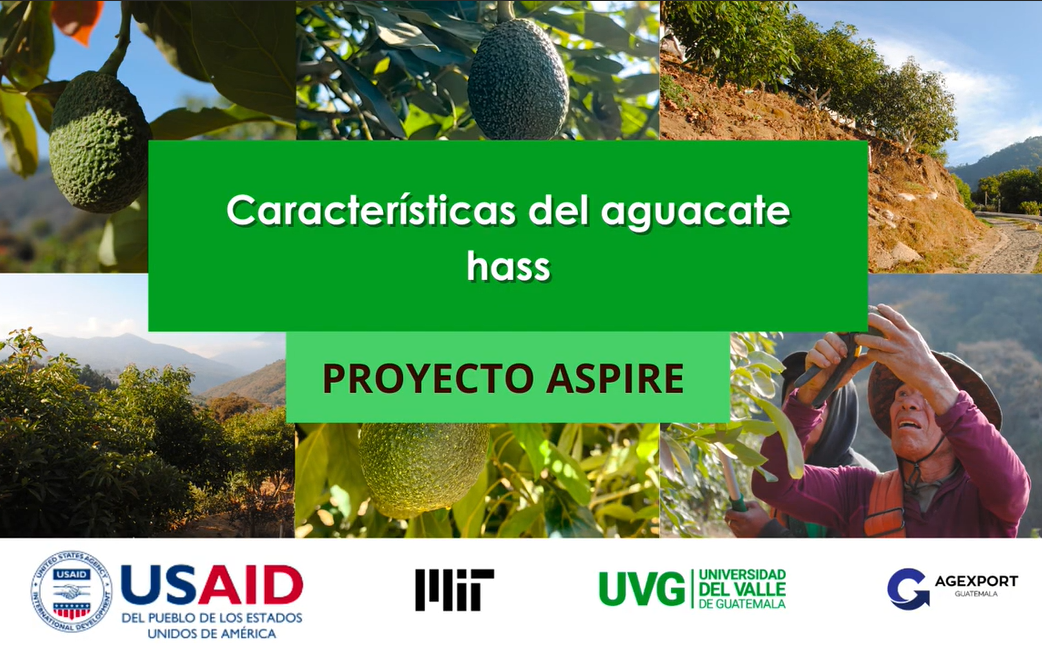
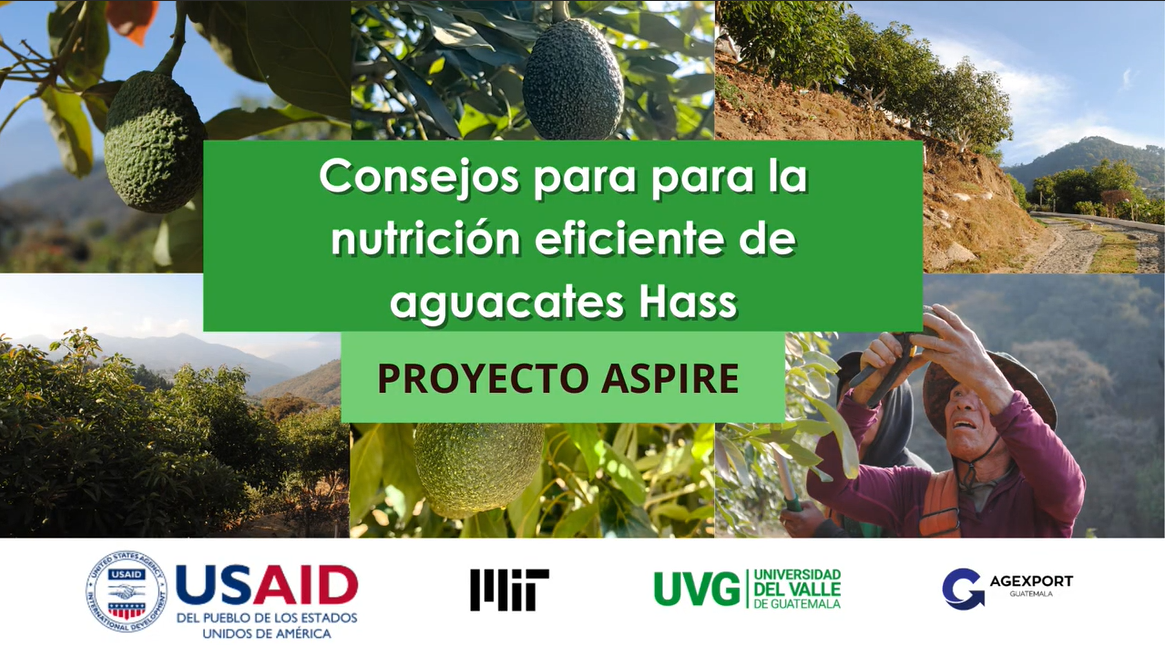
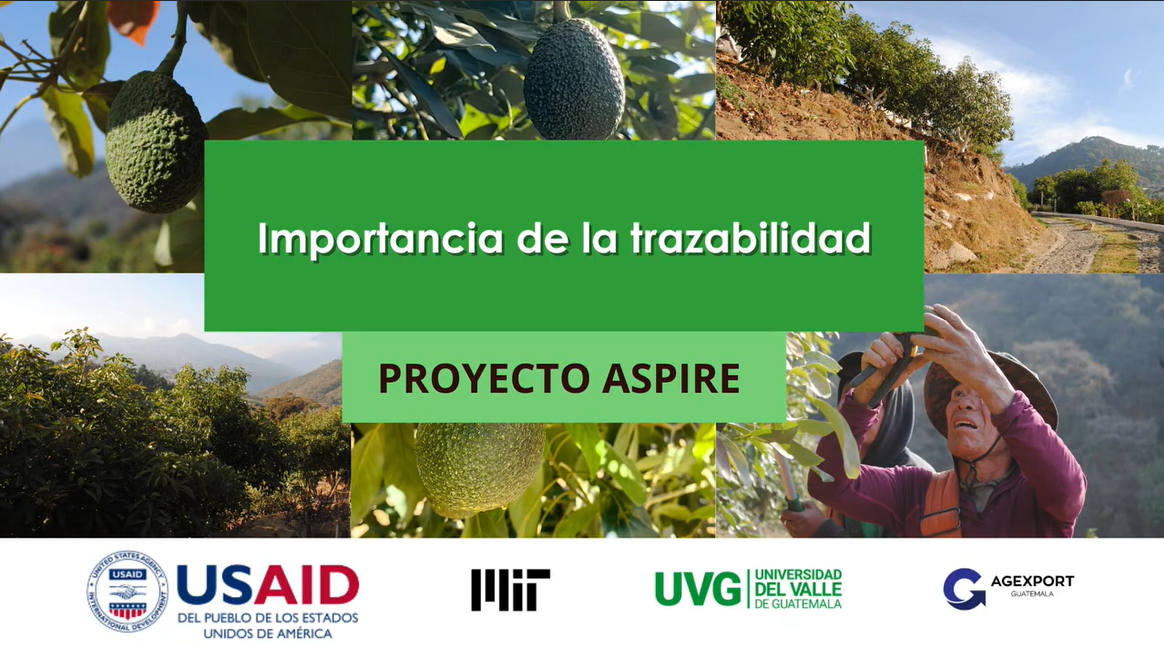
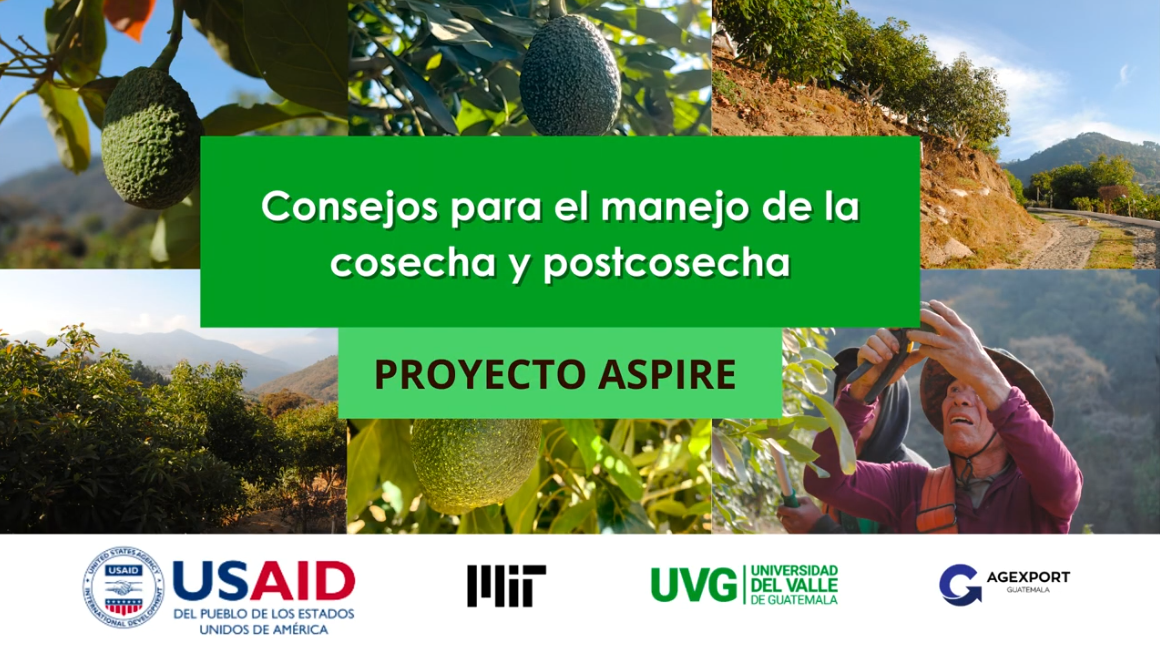
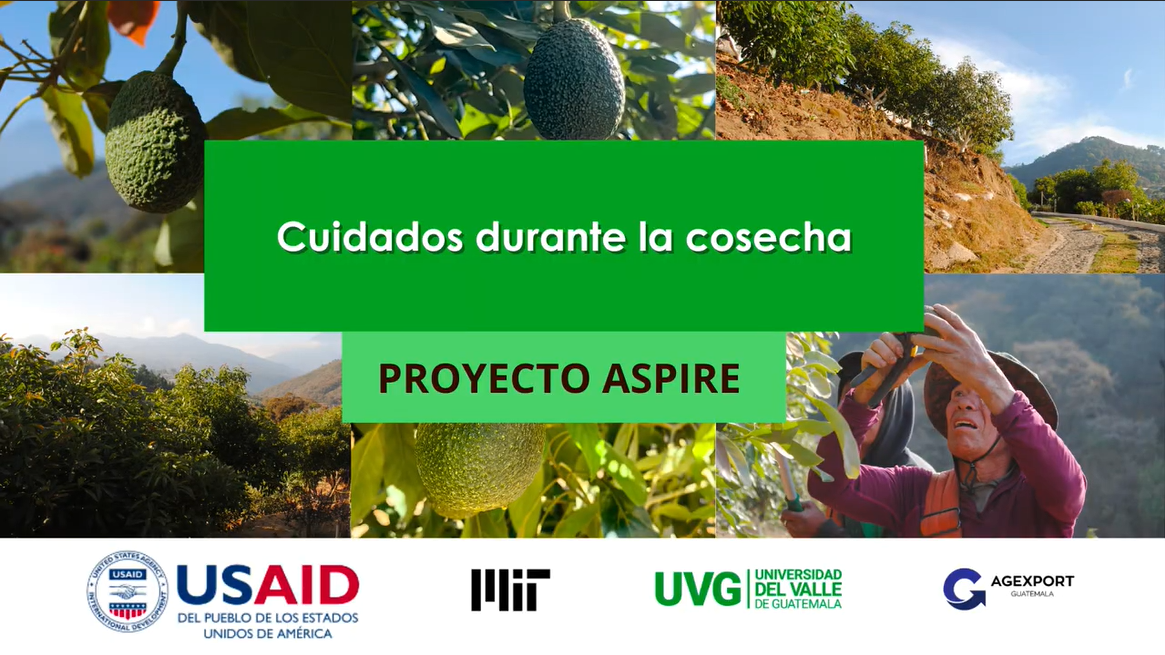
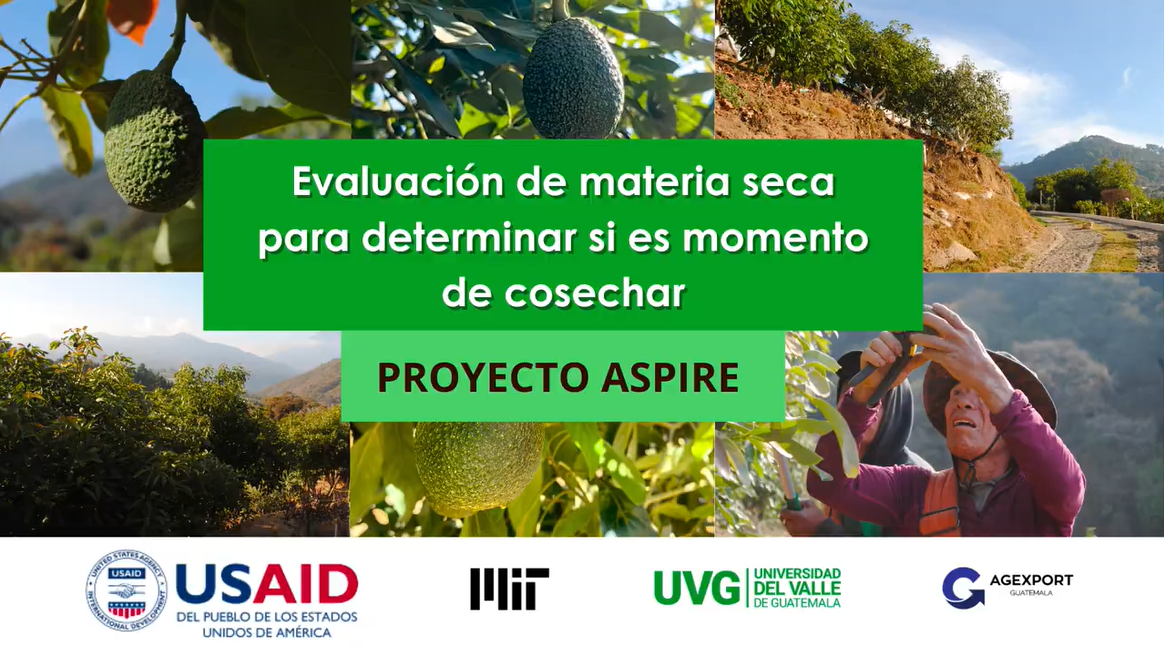
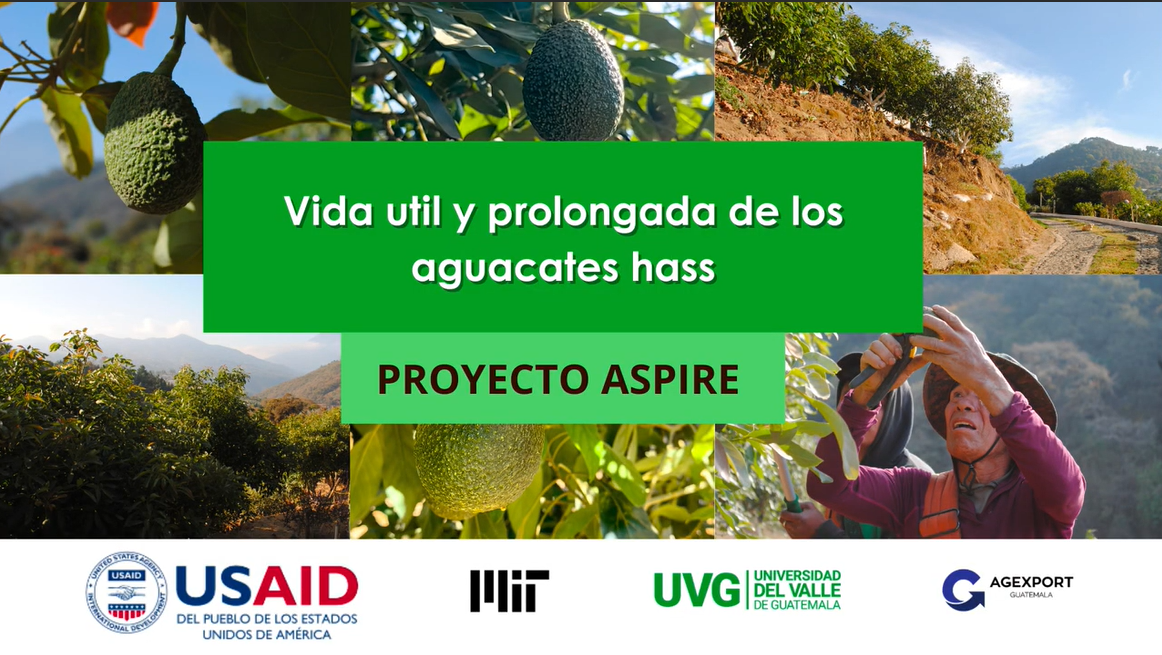
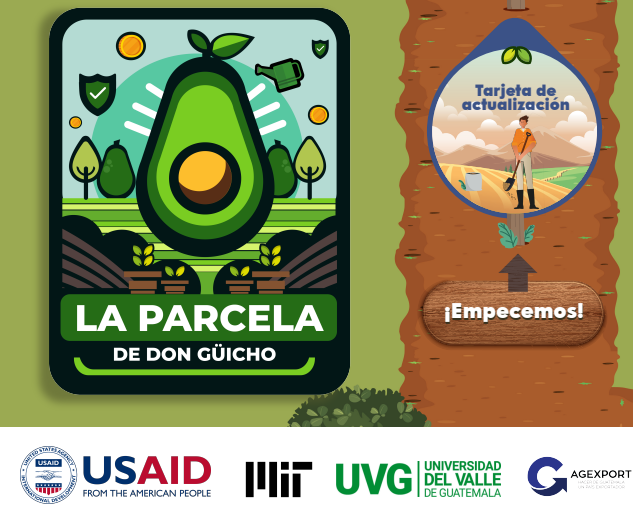
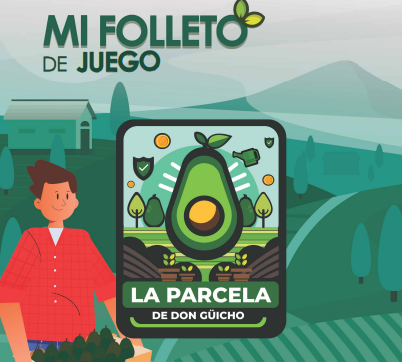
Descubre nuestro juego interactivo
Haz clic en cualquiera para ver el detalle o descargarlo.







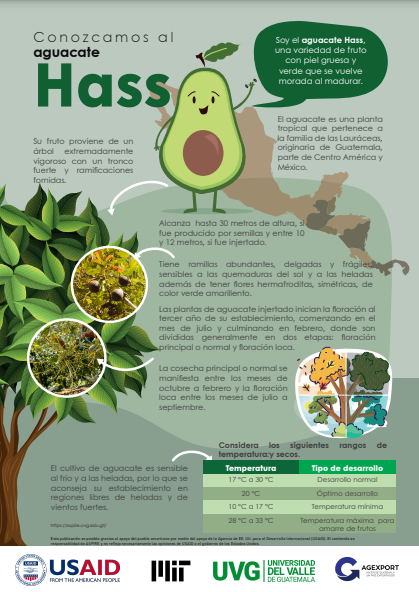
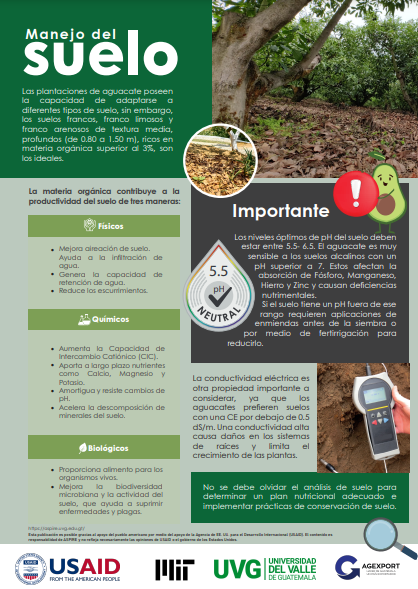
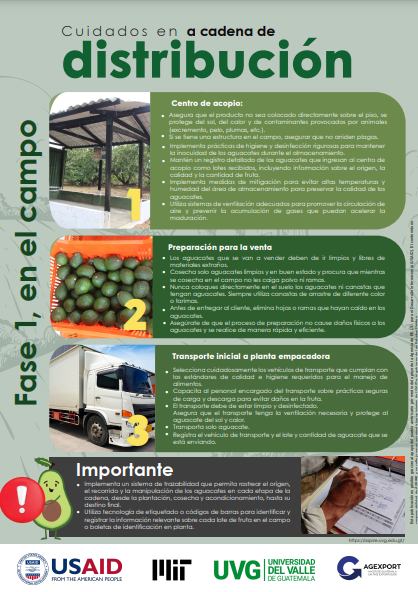
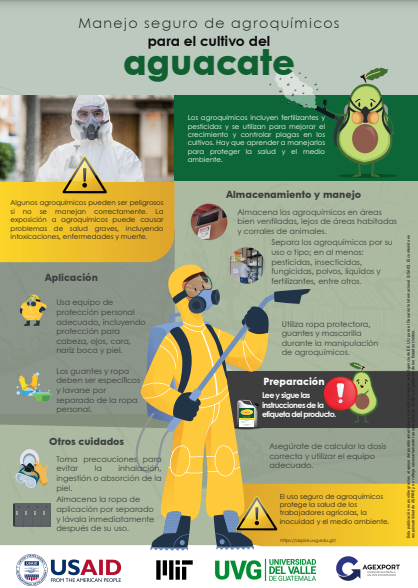
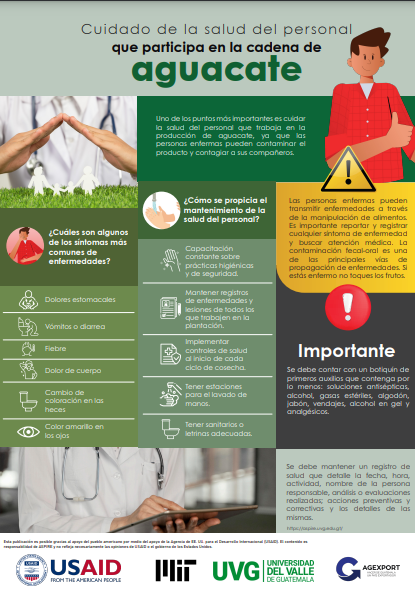
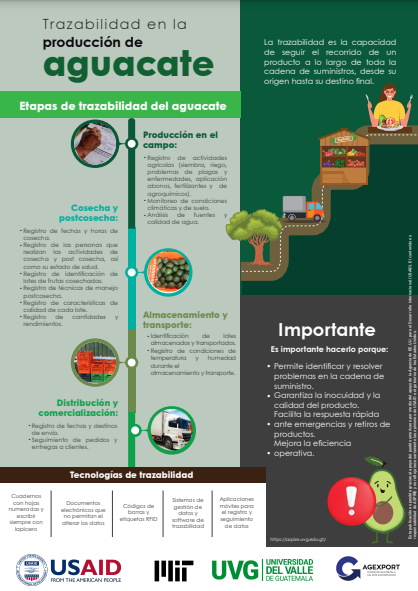
Descubre nuestras infografías interactivas
Haz clic en cualquiera para verla en detalle o descargarla.
On July 21 and 28, the ASPIRE project hosted “Pitch Night” for local entrepreneurs. Students, alumni, professors, and researchers from the Universidad del Valle de Guatemala (UVG) and affiliates of the Guatemalan Association of Exporters (AGEXPORT) presented their business ideas to a panel of experts and received their suggestions and advice to strengthen their respective start-up ideas. Pitch Nights are designed to help fledgling entrepreneurs connect with business experts to receive practical guidance regarding how they can improve their ideas and plans. They are also designed to build greater awareness and engagement around entrepreneurship opportunities within UVG, and strengthen the overall innovation ecosystem within and outside the university.
The event was held at UVG’s Center for Innovation and Technology (CIT), where a total of 7 seven entrepreneurship teams from a variety of sectors that ASPIRE interacts with presented their ideas and plans. Some of the sectors represented included food, sustainable tourism, and technology development, among others. The expert panel included UVG graduate entrepreneurs, members of the university’s entrepreneurship club, and AGEXPORT professionals. Some of the guidance panel members provided to the teams included: the importance of understanding specific hurdles that new businesses will face in today’s economic climate, the need to focus on product differentiation, strategies for resilience in the face of crises caused by external factors, such as the COVID-19 pandemic, and mechanisms to ensure quality in value chains.
This effort is part of the extracurricular activities component of ASPIRE, along with Networking Night and other activities. The next Pitch Night will be held on Thursday, September 28, in which 11 additional projects are expected to participate.
About the ASPIRE Project
The Achieving Sustainable Partnerships for Innovation, Research and Entrepreneurship (ASPIRE) Project is a five-year, $15 million project funded by USAID and implemented by the Massachusetts Institute of Technology (MIT), Universidad del Valle de Guatemala (UVG) and the Guatemalan Exporters Association (AGEXPORT). The goal of the project is to create a world-class, replicable model for how Latin American universities and their collaborators can respond to local and regional development needs. The project implements a collaborative approach to research, teaching, innovation, entrepreneurship and tech transfer, based on the combination of local assets and knowledge with MIT’s experience in the innovation ecosystem.
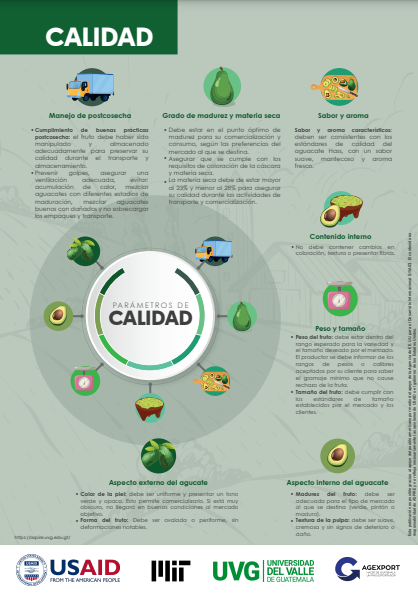
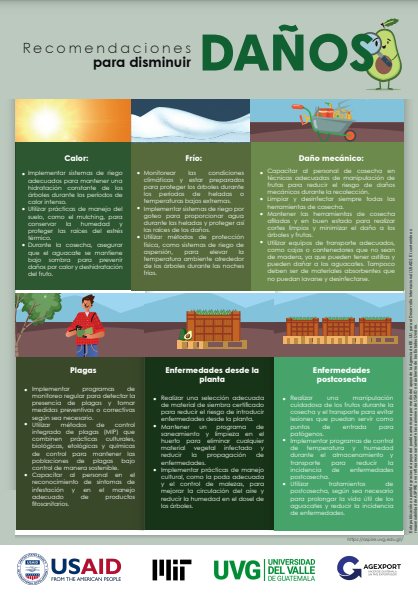
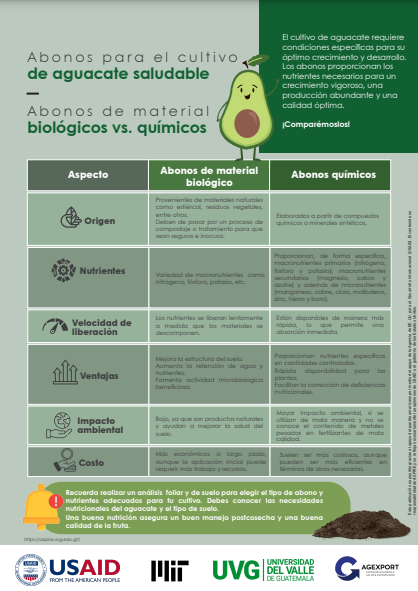
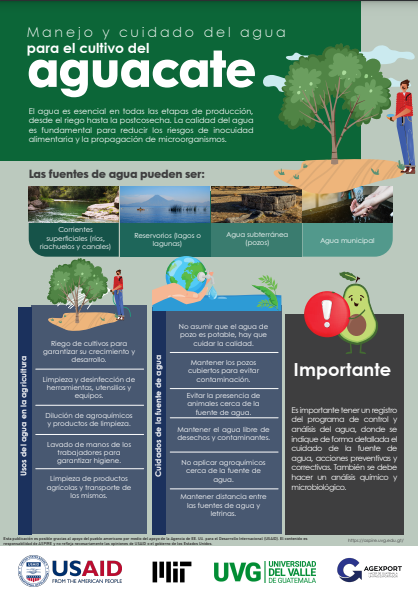
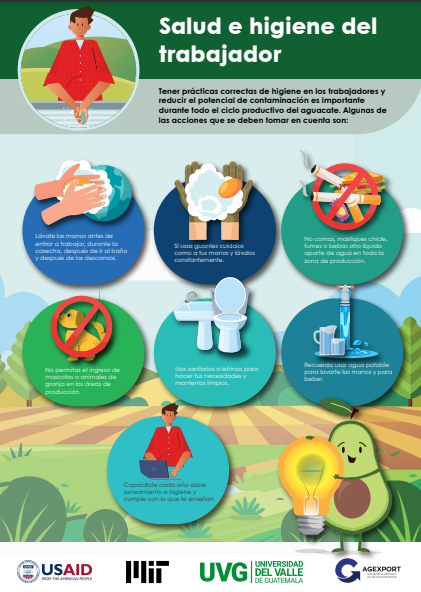
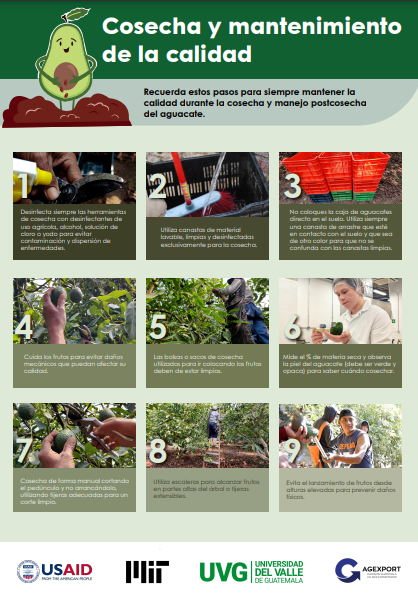
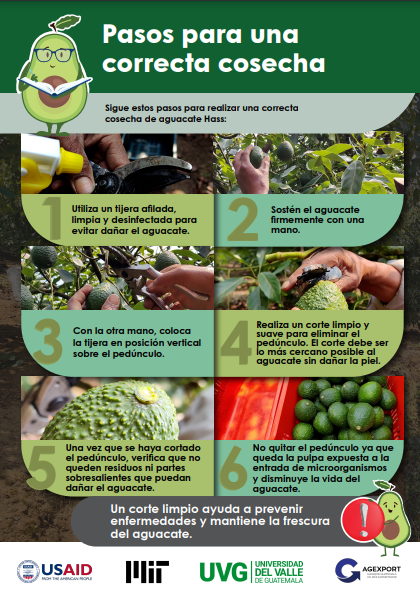
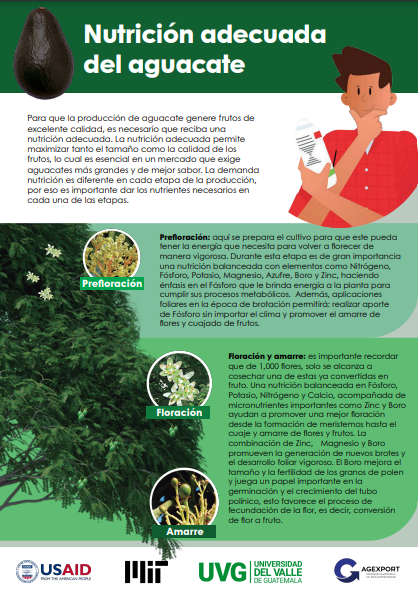
On Thursday, July 28, ASPIRE held a virtual Learning Exchange entitled “Participatory Development for Teaching Food Safety in Fresh Produce”. This event focused on a project implemented by the Center for Agricultural and Food Studies of the Universidad del Valle de Guatemala (UVG) Research Institute, with funding from the United States Department of Agriculture (USDA).
During this exchange, which was attended virtually by 27 participants, UVG researchers Ana Alicia Paz Pierri, Ana Silvia Colmenares, and Adilia Blandón, presented their experiences using participatory design techniques to create materials and guides for use by producers on the best practices for safely handling fresh vegetable products post-harvest.
The researchers stated that in their work, representatives from academia, members of various export value chains, and representatives from the food production sector all participated in the Participatory Design process, which facilitated the adoption and use of the final materials. Ana Alicia Paz emphasized that the didactic approach used in this project is available for producers and trainers in Guatemala and the rest of Latin America to learn about and potentially adopt into their practices.
This project highlights the ways in which technical content can be co-created in an accessible and practical fashion with end-users, ensuring that producers are able to incorporate the information into their practices, and is a good example of how to encourage research and innovation in the agriculture sector.
The presenters commented that in order to carry out this type of project, it is essential to identify key contributors to engage in the Participatory Design process. Additionally, starting the project by creating a common language around the work while validating and adapting the materials along the way are necessary elements for success. Ana Silvia Colmenares recognized the valuable participation of academia, the private sector, local farmers, and the USDA for their contributions.
It should be noted that although this research project was not originally conducted as part of the ASPIRE project, it is a practical example of how key concepts important to ASPIRE – co-creation, participatory design, and collaboration between sectors – can be successfully applied.
ASPIRE will continue to conduct these Learning Exchanges to facilitate knowledge transfer on topics related to innovation, research, and entrepreneurship. To learn more about the Exchanges and the future schedule, please contact Alix Van Zandt at akvan@uvg.edu.gt.
About the ASPIRE Project
The Achieving Sustainable Partnerships for Innovation, Research and Entrepreneurship (ASPIRE) Project is a five-year, $15 million project funded by USAID and implemented by the Massachusetts Institute of Technology (MIT), Universidad del Valle de Guatemala (UVG) and the Guatemalan Exporters Association (AGEXPORT). The goal of the project is to create a world-class, replicable model for how Latin American universities and their collaborators can respond to local and regional development needs. The project implements a collaborative approach to research, teaching, innovation, entrepreneurship and tech transfer, based on the combination of local assets and knowledge with MIT’s experience in the innovation ecosystem.

Elizabeth Hoffecker
Principal Co investigator of ASPIRE
On July 28 and August 1, the Universidad del Valle de Guatemala (UVG) hosted two events as part of the ASPIRE project’s “Introduction to Participatory Design and Collaborative Mindset” workshop series. During these workshops, community representatives worked in teams to identify and analyze challenges and opportunities in Guatemala’s cardamom and snow pea value chains. The results of the workshops will enable multi-stakeholder teams composed of people from the communities, UVG, and AGEXPORT to develop concept notes and later proposals for research projects to be funded by ASPIRE. These projects, the first of which will be funded by the end of this year, are expected to generate practical findings that will help actors within the value chains gain more access to markets, resolve bottlenecks along the value chains, and/or introduce innovations where possible. Both workshops were facilitated by members of the ASPIRE team and Link4, a Guatemalan organization with significant experience in co-creation and community development.
In order to maximize the participation of community members, a priority stakeholder group for this project, the workshop for the cardamom value chain was conducted in Cobán, Alta Verapaz, and the snow pea value chain workshop was held at the UVG’s Altiplano Campus in Sololá, with participants from Chimaltenango and Sacatepéquez. A total 16 community members participated in both workshops. 100% of event participants identified with the Mayan ethnic group, 56% women and 44% men.
In the cardamom value chain, the challenges discussed included the management of fungi or diseases that affect the plant and its quality, and the need for education regarding better management practices. In the snow pea value chain, participants discussed and agreed that the challenge posed by the use of chemicals and pesticides can negatively affect food safety, and that the difficulty of complying with export market requirements also creates strain in their value chain.
UVG researchers will now use the results of these workshops to formulate their concept notes, and later, full applications, which will be reviewed and ultimately funded by the project. Funded research projects will reflect ASPIRE’s values of participatory design and collaboration between academia, the private sector, and communities.
100% of event participants identified with the Mayan ethnic group, 56% women and 44% men.
About the ASPIRE Project
The Achieving Sustainable Partnerships for Innovation, Research and Entrepreneurship (ASPIRE) Project is a five-year, $15 million project funded by USAID and implemented by the Massachusetts Institute of Technology (MIT), Universidad del Valle de Guatemala (UVG) and the Guatemalan Exporters Association (AGEXPORT). The goal of the project is to create a world-class, replicable model for how Latin American universities and their collaborators can respond to local and regional development needs. The project implements a collaborative approach to research, teaching, innovation, entrepreneurship and tech transfer, based on the combination of local assets and knowledge with MIT’s experience in the innovation ecosystem.